Animal Welfare & Veterinary Care: Rescued Dogs Receive Treatment
Animal welfare and veterinary care play an essential role in protecting animals that have been neglected or left without proper medical attention. Rescue organizations, veterinary professionals, and animal care specialists work together to provide treatment, rehabilitation, and a safe environment for animals in need.
A rescue story involving dogs requiring medical attention highlights the importance of responsible pet ownership, professional veterinary services, preventive healthcare, and animal protection. Every animal deserves access to appropriate care, nutritious food, clean water, and a safe place to recover.
Animal rescue initiatives also encourage communities to learn more about pet healthcare, veterinary treatment, animal wellness, and the importance of supporting professional animal care services.
Animal Rescue Brings Hope to Neglected Dogs
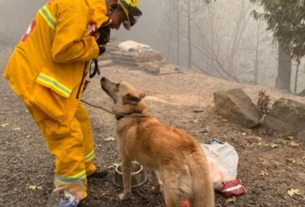
Rescue organizations frequently assist animals that have been abandoned, neglected, or left without proper healthcare. Dogs in these situations may require professional examinations, medical treatment, nutrition support, and a safe recovery environment.
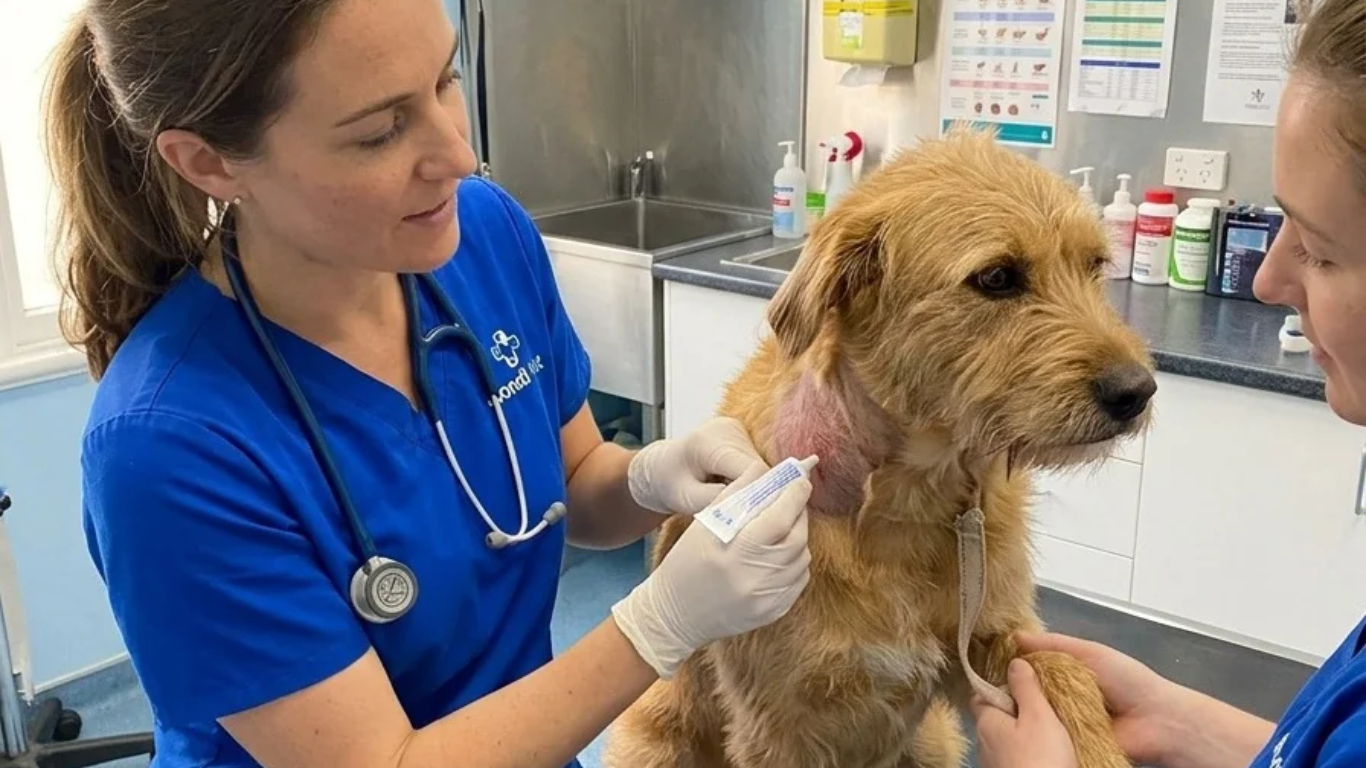
When animals are rescued, trained professionals can assess their condition and develop an appropriate care plan. Veterinary attention is particularly important when an animal has been living in an unsafe environment or has not received routine healthcare.
Animal rescue efforts help provide animals with an opportunity to recover and experience a healthier, safer life.
Why Veterinary Care Is Important for Dogs
Veterinary care is one of the most important responsibilities of pet ownership. Regular health examinations help identify potential medical concerns and provide guidance about preventive healthcare.
Professional veterinary services may include:
- General health examinations
- Vaccination programs
- Diagnostic testing
- Dental care
- Preventive treatments
- Nutritional consultations
- Medical treatment and recovery monitoring
Veterinary professionals can evaluate an animal’s condition and recommend suitable treatments based on its individual health needs.
Early medical attention can help address certain health concerns before they become more serious. Pet owners should consult qualified veterinary professionals whenever they notice changes in their animals’ health or behavior.
Animal Welfare and Responsible Pet Ownership
Animal welfare involves providing animals with appropriate care, protection, and living conditions. Responsible pet ownership requires a long-term commitment to an animal’s physical and behavioral needs.
Dogs require more than food and shelter. They also need regular healthcare, exercise, social interaction, appropriate grooming, and a safe environment.
Responsible pet ownership includes:
- Providing balanced and appropriate nutrition
- Maintaining access to clean drinking water
- Scheduling regular veterinary examinations
- Following recommended vaccination schedules
- Providing suitable shelter
- Maintaining proper hygiene
- Monitoring changes in health and behavior
- Ensuring a safe and comfortable living environment
These practices support animal wellness and may help reduce preventable health problems.
Professional Veterinary Services and Animal Healthcare
Professional veterinary services help protect the health of domestic animals through preventive care, diagnosis, and treatment.
Veterinary clinics may provide different services depending on their facilities, professional staff, and medical equipment.
Routine Veterinary Examinations
Regular veterinary checkups help assess an animal’s general health and identify potential concerns. During examinations, veterinarians may evaluate weight, physical condition, dental health, and other indicators of wellness.
Vaccination and Preventive Healthcare
Vaccinations are an important part of preventive animal healthcare. Veterinary professionals can recommend appropriate vaccination schedules based on an animal’s age, health condition, lifestyle, and local requirements.
Diagnostic Services
Veterinary diagnostic services may include laboratory testing, imaging, and other medical evaluations. These services help professionals investigate health concerns and make informed treatment decisions.
Treatment and Recovery
Animals that have experienced neglect may require professional treatment and ongoing monitoring. Their recovery plans may include medical care, nutritional support, hygiene management, and follow-up examinations.
Pet Health Insurance and Veterinary Expenses
Pet healthcare expenses can vary depending on an animal’s medical needs, the type of veterinary service, and the treatment required.
Some pet owners explore pet insurance as a way to manage eligible veterinary expenses. Depending on the policy, coverage may include certain accidents, illnesses, diagnostic procedures, or treatments.
Before selecting an insurance plan, pet owners should carefully review:
- Coverage limits
- Deductibles
- Reimbursement rates
- Waiting periods
- Policy exclusions
- Pre-existing condition policies
- Eligible veterinary services
Pet insurance policies vary considerably between providers. Understanding the terms and conditions can help pet owners make informed financial decisions regarding their animals’ healthcare.
Pet Nutrition and Recovery
Nutrition plays an important role in maintaining animal health and supporting recovery.
Dogs require balanced diets containing appropriate nutrients, vitamins, minerals, proteins, fats, and other essential components. Nutritional requirements may vary according to age, breed, size, activity level, and health condition.
Animals recovering from illness or neglect may require additional nutritional guidance from veterinary professionals.
Pet owners should avoid making major dietary changes without considering the animal’s individual needs. Qualified veterinary professionals can recommend suitable feeding plans and nutrition products.
Preventive Pet Care and Wellness
Preventive healthcare helps support animals throughout their lives. Routine care can help pet owners monitor their animals’ health and identify changes that may require professional attention.
Important preventive care practices include:
Regular Health Checkups
Routine veterinary examinations help monitor an animal’s overall condition and identify potential concerns.
Grooming and Hygiene
Regular grooming supports cleanliness and allows owners to monitor changes in the skin, coat, ears, and nails.
Parasite Prevention
Veterinary-approved preventive treatments may help protect dogs against fleas, ticks, and other parasites. Treatment recommendations should be based on the animal’s age, weight, and health condition.
Dental Health
Dental care is an important part of overall animal wellness. Appropriate dental products and professional examinations may help maintain oral hygiene.
Safe Living Conditions
Clean surroundings, suitable shelter, fresh water, and proper supervision are essential for maintaining a healthy environment for pets.
Animal Rehabilitation and Recovery
Animal rehabilitation focuses on helping animals recover and improve their health following illness, injury, neglect, or other difficult circumstances.
Rehabilitation programs may involve veterinary treatment, nutritional support, environmental improvements, behavioral assessment, and ongoing monitoring.
Professional animal care teams may work with rescue organizations, veterinary clinics, shelters, and adoption services to help animals transition into suitable environments.
Successful rehabilitation requires patience, professional guidance, and a commitment to the animal’s long-term well-being.
How Animal Rescue Organizations Help
Animal rescue organizations provide important services to animals that require assistance. Their work may include emergency rescue, veterinary treatment, temporary shelter, rehabilitation, adoption programs, and community education.
Many organizations also encourage responsible pet ownership and help people understand the importance of preventive healthcare.
Animal shelters and rescue groups may collaborate with veterinary professionals to provide medical assessments and determine suitable care plans for rescued animals.
Their work helps promote animal welfare and creates opportunities for animals to find safe and responsible homes.
Choosing Professional Pet Care Services
Pet owners may need to evaluate different veterinary clinics, animal hospitals, grooming providers, and pet wellness services.
When choosing a professional pet care provider, it is helpful to consider:
- Professional qualifications
- Veterinary experience
- Available medical services
- Clinic facilities
- Emergency care availability
- Transparent service information
- Communication and follow-up care
Choosing appropriate professional services can help pet owners maintain their animals’ health and access reliable medical support when needed.
How Communities Can Support Animal Welfare
Animal protection is a shared responsibility involving individuals, communities, veterinary professionals, and rescue organizations.
Communities can support animal welfare by promoting responsible pet ownership, supporting legitimate rescue organizations, and encouraging access to professional veterinary care.
People can help by providing proper care for their pets, reporting animals in need to appropriate authorities, supporting animal shelters, and promoting humane treatment.
Education and awareness can also help prevent neglect and encourage healthier environments for domestic animals.
Why Animal Rescue Stories Matter
Animal rescue stories highlight the importance of compassion, professional care, and responsible treatment of animals.
They also encourage readers to learn about animal healthcare, preventive veterinary services, pet nutrition, and animal rehabilitation.
The goal of animal rescue is not only to provide immediate assistance but also to support the animal’s long-term health, safety, and well-being.
By promoting animal welfare and responsible pet ownership, communities can help create safer environments for animals and encourage better access to healthcare services.
Conclusion
Animal rescue initiatives highlight the importance of veterinary care, animal welfare, and responsible pet ownership. Dogs that have experienced neglect or unsafe living conditions may require professional treatment, nutritional support, and ongoing monitoring.
Veterinary professionals, animal shelters, and rescue organizations play an important role in providing care and helping animals recover.
Supporting animal welfare, preventive pet healthcare, and responsible ownership can contribute to healthier animals and more compassionate communities.
Every animal deserves proper care, protection, and the opportunity to live in a safe and healthy environment.
Frequently Asked Questions
Why is veterinary care important for rescued dogs?
Veterinary care helps assess an animal’s health, identify potential medical concerns, provide appropriate treatment, and monitor recovery.
What is animal rehabilitation?
Animal rehabilitation involves supporting animals as they recover from illness, injury, neglect, or other difficult circumstances through professional care and appropriate support.
What does responsible pet ownership involve?
Responsible pet ownership includes proper nutrition, clean water, suitable shelter, regular veterinary examinations, preventive healthcare, and a safe living environment.
What is pet insurance?
Pet insurance is a financial product that may help cover eligible veterinary expenses depending on the policy’s coverage, exclusions, deductibles, and reimbursement limits.
How can people support animal rescue organizations?
People can support legitimate animal rescue organizations through responsible volunteering, donations, community awareness, and promoting humane animal care.
How can neglected dogs receive proper care?
Neglected dogs should be evaluated by qualified veterinary professionals who can assess their health and recommend appropriate treatment, nutrition, and recovery support.