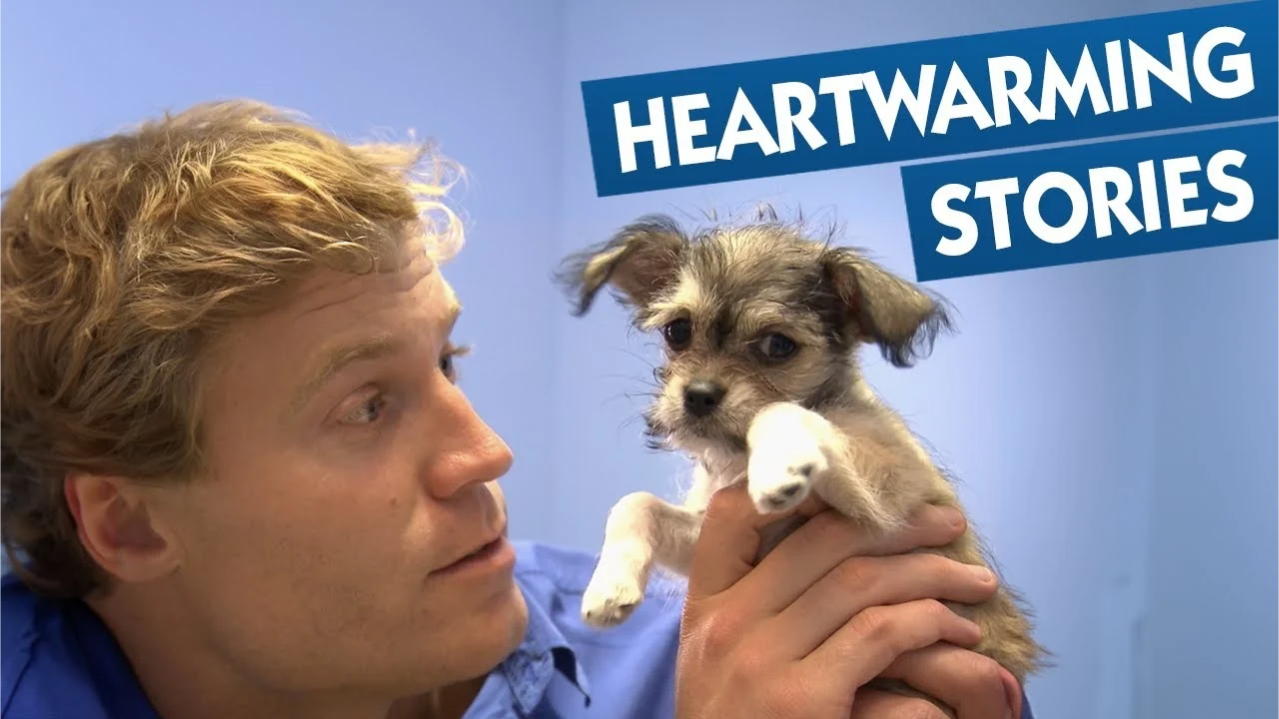
A Rescue Dog’s Relief: Bernie’s Journey at Bondi Vet
Animal rescue and professional veterinary care can make a meaningful difference in the lives of dogs that need medical attention, rehabilitation, and a safe environment. Bernie’s journey at Bondi Vet highlights the importance of animal welfare, responsible pet ownership, and access to quality veterinary healthcare.
Rescue dogs may require additional attention when they enter a new environment. Professional veterinary examinations, preventive healthcare, proper nutrition, and ongoing monitoring can help support their health and well-being.
Stories like Bernie’s also encourage pet owners to learn more about veterinary services, pet wellness, animal rehabilitation, and the importance of providing appropriate care throughout a dog’s life.
Bernie’s Journey to Better Animal Healthcare
Rescue dogs often depend on compassionate people and professional animal care services to improve their quality of life. A veterinary clinic can provide an environment where animals receive health assessments and appropriate medical attention.
Bernie’s journey at Bondi Vet represents the importance of giving rescue animals an opportunity to receive care and support. Veterinary professionals play an essential role in assessing animal health, identifying potential concerns, and recommending suitable treatment options.
A rescue dog’s recovery may involve several aspects of healthcare, including physical examinations, preventive treatments, nutritional support, and regular monitoring.
Providing appropriate care can help animals transition toward a healthier and more comfortable lifestyle.
Why Veterinary Care Is Important for Rescue Dogs
Veterinary healthcare is one of the most important aspects of responsible pet ownership. Rescue dogs may have different healthcare needs depending on their age, medical history, living conditions, and previous access to professional treatment.
Regular veterinary examinations help identify potential health concerns and provide guidance about preventive care.
Professional veterinary services may include:
- General health examinations
- Vaccination programs
- Diagnostic testing
- Dental care
- Preventive healthcare
- Nutritional consultations
- Medical treatment
- Recovery monitoring
Qualified veterinary professionals can evaluate individual animals and recommend appropriate care based on their health needs.
Animal Wellness and Preventive Healthcare
Preventive healthcare helps support dogs throughout different stages of life. Regular examinations and appropriate care can help pet owners monitor their animals’ health and identify changes that may require professional attention.
Preventive pet care may involve vaccinations, parasite prevention, dental hygiene, nutritional guidance, and routine veterinary checkups.
Pet owners should consult veterinary professionals regarding appropriate healthcare schedules and treatments for their dogs.
Routine Veterinary Examinations
Regular health examinations help veterinarians assess an animal’s general condition. These appointments may include evaluating weight, physical condition, dental health, and other indicators of wellness.
Routine veterinary visits can also provide an opportunity for pet owners to discuss nutrition, behavior, preventive care, and other health concerns.
Vaccination and Preventive Care
Vaccinations are an important part of preventive veterinary healthcare. Veterinarians can recommend appropriate vaccination schedules based on a dog’s age, health condition, lifestyle, and local requirements.
Preventive care may also include professional guidance about parasite prevention and other routine health measures.
Pet Dental Health
Dental health is an important part of a dog’s overall wellness. Appropriate dental care and professional examinations may help maintain oral hygiene and identify potential concerns.
Pet owners can ask veterinary professionals about suitable dental products and care routines for their animals.
Pet Nutrition and Healthy Living
Nutrition plays an important role in maintaining animal health and supporting healthy development.
Dogs require balanced diets that provide appropriate nutrients, vitamins, minerals, proteins, and fats. Nutritional requirements can vary according to age, breed, size, activity level, and health condition.
Pet owners researching pet nutrition may consider:
- Age-appropriate pet food
- Balanced nutritional requirements
- Feeding recommendations
- Healthy hydration
- Weight management
- Veterinary nutritional guidance
Choosing appropriate pet food can help support a dog’s overall health. Veterinary professionals can recommend suitable nutrition plans for animals with specific dietary needs.
Pet Insurance and Veterinary Healthcare Expenses
Veterinary healthcare expenses can vary depending on the animal’s condition, the services required, and the treatment provided.
Some pet owners explore pet insurance to help manage eligible veterinary expenses. Insurance policies may differ in coverage, exclusions, deductibles, reimbursement rates, and annual limits.
Before selecting a pet insurance policy, owners should carefully review:
- Accident and illness coverage
- Eligible veterinary treatments
- Deductibles and reimbursement rates
- Annual coverage limits
- Waiting periods
- Policy exclusions
- Pre-existing condition policies
Understanding insurance terms can help pet owners make informed financial decisions regarding their animals’ healthcare.
Pet insurance availability and coverage vary by country and provider.
Professional Veterinary Services for Dogs
Veterinary clinics and animal hospitals provide important services for domestic animals. Professional care can help pet owners maintain their dogs’ health and receive guidance when medical concerns arise.
Depending on the clinic, veterinary services may include:
General Veterinary Care
Routine consultations and health examinations help monitor an animal’s overall condition and identify potential concerns.
Diagnostic Services
Veterinary diagnostic services may include laboratory testing and other medical evaluations. These services help professionals investigate health concerns and make informed treatment decisions.
Preventive Healthcare
Preventive healthcare may include vaccinations, parasite prevention, dental examinations, and other routine services.
Medical Treatment and Recovery
Animals requiring medical attention may need professional treatment and ongoing monitoring. Veterinary professionals can develop suitable care plans based on an animal’s individual health requirements.
Responsible Pet Ownership and Animal Welfare
Responsible pet ownership involves providing animals with appropriate care, protection, and a safe living environment.
Dogs need more than food and shelter. They also require regular healthcare, exercise, social interaction, suitable grooming, and attention to their behavioral needs.
Responsible pet ownership includes:
- Providing balanced nutrition
- Maintaining access to clean water
- Scheduling regular veterinary checkups
- Following recommended vaccination schedules
- Providing suitable shelter
- Maintaining proper hygiene
- Monitoring health and behavior
- Ensuring a safe living environment
These practices can help support animal wellness and reduce preventable health concerns.
Animal Rehabilitation and Recovery
Animal rehabilitation focuses on helping animals recover and improve their health following illness, injury, neglect, or other difficult circumstances.
Depending on an animal’s needs, rehabilitation may involve veterinary treatment, nutritional support, monitoring, behavioral assessment, and environmental improvements.
Professional animal care teams may work with veterinary clinics, rescue organizations, and animal shelters to provide appropriate support.
Recovery can require patience, professional guidance, and a commitment to the animal’s long-term well-being.
How Animal Rescue Organizations Help
Animal rescue organizations provide valuable services to animals that require assistance. Their work may include emergency rescue, temporary shelter, veterinary treatment, rehabilitation, adoption programs, and community education.
Many rescue organizations collaborate with veterinary professionals to assess animals and determine appropriate care plans.
Animal shelters and rescue groups also encourage responsible pet ownership and help connect animals with suitable homes.
Their work contributes to animal welfare and promotes compassionate treatment of domestic animals.
Choosing the Right Pet Healthcare Services
Choosing professional pet care services is an important decision for pet owners. Veterinary clinics, animal hospitals, and pet wellness providers may offer different services depending on their facilities and professional qualifications.
When evaluating a pet care provider, owners may consider:
- Professional qualifications and experience.
- Available veterinary services.
- Clinic facilities and equipment.
- Emergency care availability.
- Transparent service information.
- Reviews and reputation.
- Communication and follow-up care.
Researching professional services can help pet owners find appropriate healthcare support for their animals.
Why Rescue Dog Stories Matter
Rescue dog stories highlight the importance of compassion, veterinary healthcare, and responsible animal care.
They also encourage readers to learn about pet wellness, preventive healthcare, animal rehabilitation, and responsible pet ownership.
The most meaningful outcome of animal rescue is the animal’s continued safety, health, and ability to live in an appropriate environment.
Stories like Bernie’s can inspire people to support animal welfare programs and become more aware of the healthcare needs of domestic animals.
Conclusion
Bernie’s journey at Bondi Vet highlights the importance of animal rescue, professional veterinary care, and responsible pet ownership.
Rescue dogs may require additional attention, appropriate healthcare, and a safe environment to support their well-being. Veterinary professionals and animal rescue organizations play an important role in providing these services.
By promoting animal wellness, preventive healthcare, responsible ownership, and access to professional veterinary services, communities can help improve the quality of life for animals.
Every dog deserves proper care, protection, and the opportunity to live a healthy and comfortable life.
Frequently Asked Questions
Why is veterinary care important for rescue dogs?
Veterinary care helps assess an animal’s health, identify potential concerns, provide appropriate treatment, and monitor recovery.
What is preventive pet healthcare?
Preventive pet healthcare includes routine examinations, vaccinations, parasite prevention, dental care, and other measures designed to support animal health.
What is pet insurance?
Pet insurance is a financial product that may help cover eligible veterinary expenses depending on the policy’s coverage, exclusions, deductibles, and reimbursement limits.
What does responsible pet ownership involve?
Responsible pet ownership includes proper nutrition, veterinary care, safe shelter, supervision, exercise, hygiene, and protection from environmental hazards.
How can people support animal rescue organizations?
People can support legitimate animal rescue organizations through responsible volunteering, donations, community awareness, and promoting humane animal care.
Why is pet nutrition important?
Balanced nutrition supports a dog’s health, development, energy levels, and overall wellness. Nutritional requirements vary according to age, size, activity level, and health condition.