Animal Rescue & Wildlife Conservation: Brave Men Save Puppy from Crocodile
Animal rescue stories highlight the importance of animal welfare, pet healthcare, wildlife conservation, and responsible pet ownership. A dramatic rescue involving a puppy and a crocodile serves as a reminder of the dangers animals can face in unfamiliar environments and the importance of protecting their health and safety.
Stories like these encourage readers to learn more about professional veterinary care, pet insurance, animal protection services, pet wellness products, and wildlife safety. Protecting animals involves more than responding to emergencies. It also requires responsible ownership, preventive healthcare, and access to quality animal care services.
A Courageous Puppy Rescue Story
The story of brave men attempting to save a puppy from a crocodile highlights the importance of compassion and responsible action toward animals. Encounters between domestic pets and wildlife can be unpredictable, particularly around rivers, lakes, wetlands, and other natural habitats.
Puppies are naturally curious and may not recognize the dangers of unfamiliar environments. Without proper supervision, they can enter areas where wildlife or environmental hazards pose serious risks.
Animal rescue situations demonstrate the importance of protecting vulnerable animals and ensuring that they receive appropriate care. When dangerous wildlife is involved, trained professionals should be contacted to assess the situation and provide assistance safely.
Why Animal Welfare Is Important
Animal welfare is an essential part of responsible pet ownership and environmental protection. Dogs, cats, and other domestic animals require suitable nutrition, preventive healthcare, safe living conditions, and regular attention to their physical and behavioral needs.
Proper animal care can help improve quality of life and reduce the risk of preventable health problems.
Important aspects of animal welfare include:
- Professional veterinary care
- Preventive healthcare services
- Quality pet nutrition
- Pet health monitoring
- Safe living environments
- Responsible animal handling
- Access to appropriate treatment
Pet owners who understand these responsibilities are better equipped to make informed decisions about their animals’ health.
Professional Veterinary Care and Pet Healthcare
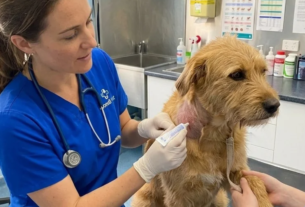
Veterinary healthcare plays an important role in maintaining the health and well-being of domestic animals. Regular veterinary examinations can help identify health concerns early and provide guidance about preventive care.
Professional animal healthcare services may include physical examinations, vaccinations, dental care, diagnostic testing, nutritional consultations, and treatment of injuries or illnesses.
When an animal experiences a stressful or dangerous situation, a veterinary examination may be necessary even if there are no immediately visible signs of injury.
Pet owners should seek advice from qualified veterinary professionals regarding their animals’ medical needs.
Pet Insurance and Financial Planning for Veterinary Expenses
Veterinary expenses can vary depending on the type of treatment, the animal’s health condition, and the services required. Emergency treatment, diagnostic procedures, medications, and specialist consultations may involve significant costs.
Pet insurance is one option some pet owners explore to help manage eligible veterinary expenses. Different policies may provide varying levels of coverage depending on the provider, plan, exclusions, deductibles, and reimbursement limits.
Before choosing a pet insurance policy, owners should carefully review:
- Covered veterinary treatments
- Accident and illness coverage
- Policy exclusions
- Deductibles and reimbursement rates
- Annual coverage limits
- Waiting periods
- Pre-existing condition policies
Understanding insurance terms can help pet owners compare available plans and make informed financial decisions about their animals’ healthcare.
Pet Health Products and Preventive Care
Preventive pet care can help maintain an animal’s health throughout different stages of life. Many pet owners research products and services designed to support their pets’ everyday wellness.
Common pet healthcare categories include:
Pet Nutrition
Balanced nutrition is important for maintaining healthy growth, energy levels, and overall wellness. Dogs require appropriate food based on their age, size, activity level, and individual health needs.
Veterinary professionals can provide guidance about selecting suitable pet food and managing specific nutritional requirements.
Flea and Tick Prevention
Parasites can affect the health and comfort of pets. Veterinary-approved prevention options may help protect animals from fleas, ticks, and other parasites.
Pet owners should consult veterinary professionals when choosing preventive treatments because products may differ according to the animal’s age, weight, and health condition.
Pet Grooming and Hygiene
Regular grooming helps maintain cleanliness and allows owners to monitor their pets for visible changes in their skin, coat, ears, or nails.
Professional grooming services may include bathing, brushing, nail care, and other routine maintenance depending on the animal’s needs.
Pet Dental Care
Dental health is another important part of preventive veterinary care. Appropriate dental products and professional examinations can help support oral hygiene and identify potential dental problems.
Understanding Crocodiles and Wildlife Safety
Crocodiles are powerful reptiles that live in various freshwater and coastal environments. They are an important part of natural ecosystems and play a role in maintaining ecological balance.
Although crocodiles are fascinating wildlife species, they can pose serious risks to humans and domestic animals. Their natural habitats should be respected, and people should avoid approaching them.
Wildlife conservation programs help protect crocodiles and other species by preserving natural habitats and educating communities about safe interactions with wildlife.
Understanding wildlife behavior is an important part of environmental awareness and animal protection.
Pet Safety Around Rivers and Wildlife Areas
Pet owners can take several precautions to reduce the risk of dangerous encounters when visiting outdoor environments.
Supervise Pets Outdoors
Dogs and puppies should be supervised near rivers, lakes, ponds, and unfamiliar areas. Proper supervision can help prevent pets from wandering into dangerous locations.
Use Appropriate Leashes
Keeping dogs on a leash helps owners maintain control and reduces the risk of pets approaching wildlife or hazardous areas.
Avoid Dangerous Wildlife Habitats
Pet owners should avoid locations where dangerous wild animals are known to live and follow local safety guidance.
Maintain Regular Veterinary Checkups
Routine examinations, vaccinations, parasite prevention, and proper nutrition are important components of preventive pet healthcare.
Provide a Secure Living Environment
A secure home, suitable shelter, clean water, and responsible supervision can help protect pets from many environmental dangers.
Animal Rescue and Professional Emergency Services
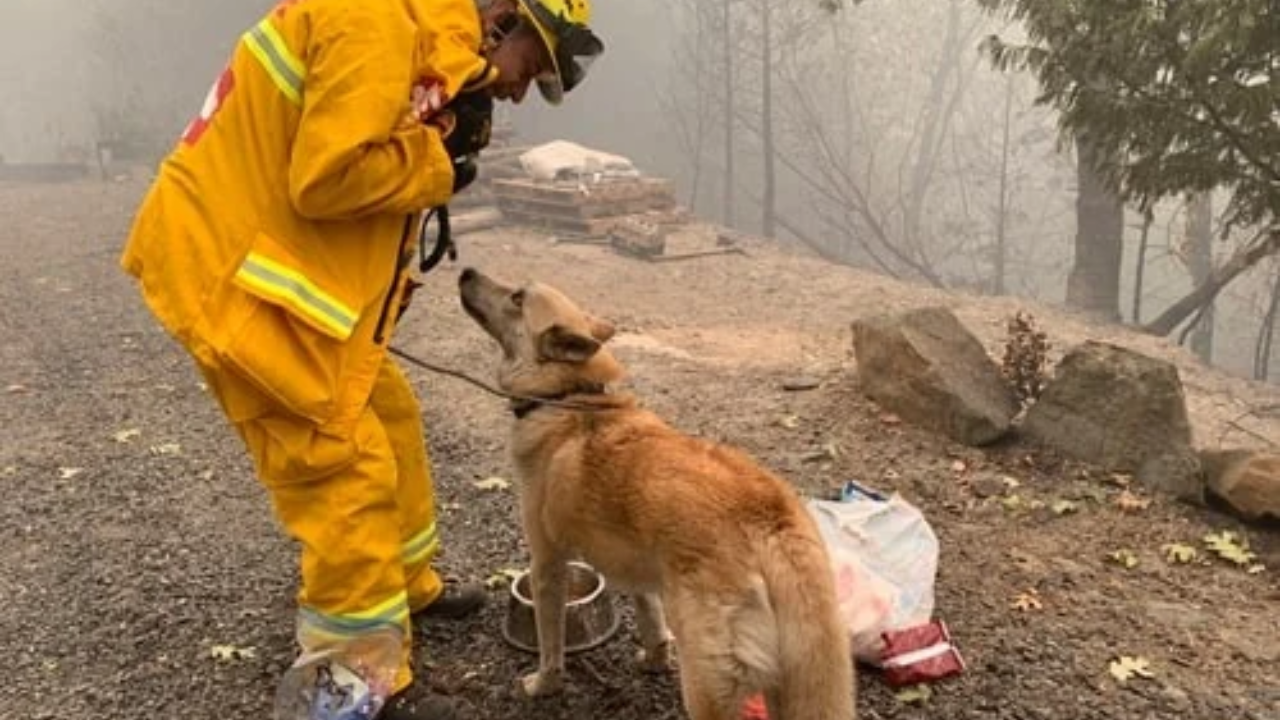
Animal rescue requires compassion, knowledge, and appropriate safety precautions. Trained animal rescue professionals can assess dangerous situations and determine the safest way to assist an animal.
Professional rescue services may coordinate with veterinarians, wildlife authorities, animal shelters, and rehabilitation centers.
Their responsibilities may include:
- Emergency animal assistance
- Veterinary transportation
- Animal rehabilitation
- Temporary shelter
- Wildlife management coordination
- Pet recovery and adoption services
- Animal welfare education
When dangerous wildlife is involved, attempting direct intervention without proper training can increase risks for both humans and animals.
Wildlife Conservation and Environmental Protection
Wildlife conservation is important for maintaining biodiversity and healthy ecosystems. Crocodiles, birds, mammals, reptiles, and other species contribute to the natural balance of their environments.
Protecting wetlands, rivers, forests, and other habitats helps wildlife survive and reduces environmental pressures that can contribute to human-wildlife encounters.
Environmental protection initiatives include habitat restoration, pollution reduction, wildlife monitoring, responsible tourism, and public awareness campaigns.
Supporting wildlife conservation also encourages communities to understand the relationship between environmental health and animal welfare.
Responsible Pet Ownership and Long-Term Animal Health
Responsible pet ownership involves providing animals with the care and protection they need throughout their lives.
Pet owners should consider the following responsibilities:
- Providing nutritious food
- Maintaining access to clean water
- Scheduling veterinary checkups
- Following recommended vaccination programs
- Maintaining safe housing
- Providing appropriate exercise
- Monitoring health and behavior
- Preventing exposure to dangerous environments
Responsible ownership helps animals remain healthy while reducing preventable emergencies and unnecessary veterinary expenses.
How to Choose Professional Pet Care Services
Choosing appropriate pet care services is an important decision for animal owners. Veterinary clinics, pet grooming services, animal hospitals, and pet wellness providers may offer different services based on their facilities and professional qualifications.
When evaluating a pet care provider, owners may consider:
- Professional qualifications and experience.
- Available veterinary services.
- Clinic facilities and equipment.
- Emergency care availability.
- Transparent service information.
- Reviews and reputation.
- Communication with pet owners.
Researching professional services can help pet owners find suitable healthcare and wellness support for their animals.
How Communities Can Support Animal Protection
Communities can play an important role in improving animal welfare and supporting wildlife conservation.
People can help by supporting legitimate animal shelters, responsible rescue organizations, veterinary services, and environmental initiatives.
Community awareness can also encourage responsible pet ownership, safe interactions with wildlife, and humane treatment of animals.
Educational programs about animal health, wildlife protection, and environmental safety can help prevent emergencies and promote better care practices.
Why Animal Rescue Stories Inspire People
Animal rescue stories often attract attention because they demonstrate compassion, courage, and the importance of protecting vulnerable creatures.
They also encourage readers to explore animal health, pet wellness, wildlife conservation, and responsible ownership.
The most meaningful outcome of a rescue is the animal’s continued safety, health, and recovery.
Stories like these can inspire people to support animal welfare programs, learn about preventive veterinary care, and take greater responsibility for the animals around them.
Conclusion
The story of brave men attempting to save a puppy from a crocodile highlights the importance of animal rescue, wildlife conservation, and responsible pet ownership.
Protecting animals requires compassion, awareness, and a commitment to safety. Domestic pets need supervision and appropriate healthcare, while wild animals should be respected in their natural habitats.
Professional veterinary care, preventive pet healthcare, responsible animal rescue, and environmental conservation all contribute to healthier animals and safer communities.
By supporting animal welfare initiatives and learning about responsible pet care, communities can help create a better future for domestic animals and wildlife.
Frequently Asked Questions
Why is animal rescue important?
Animal rescue helps protect animals that are injured, abandoned, lost, or exposed to dangerous environments. Professional rescue organizations can provide assistance, medical care, and safe recovery environments.
What is pet insurance?
Pet insurance is a type of insurance designed to help eligible pet owners manage certain veterinary expenses. Coverage varies by provider, policy, exclusions, deductibles, and reimbursement limits.
How can pet owners protect dogs near wildlife habitats?
Pet owners should supervise their dogs, use appropriate leashes, avoid dangerous wildlife areas, and follow local safety guidance.
Why is veterinary care important?
Veterinary care helps maintain animal health through examinations, preventive services, diagnostic procedures, and treatment of illnesses or injuries.
What is wildlife conservation?
Wildlife conservation involves protecting wild animals, their natural habitats, and ecosystems that support biodiversity.
What does responsible pet ownership involve?
Responsible pet ownership includes proper nutrition, veterinary care, safe shelter, supervision, exercise, and protection from environmental hazards.