Animal Welfare & Livestock Care: Saving Three Baby Goats
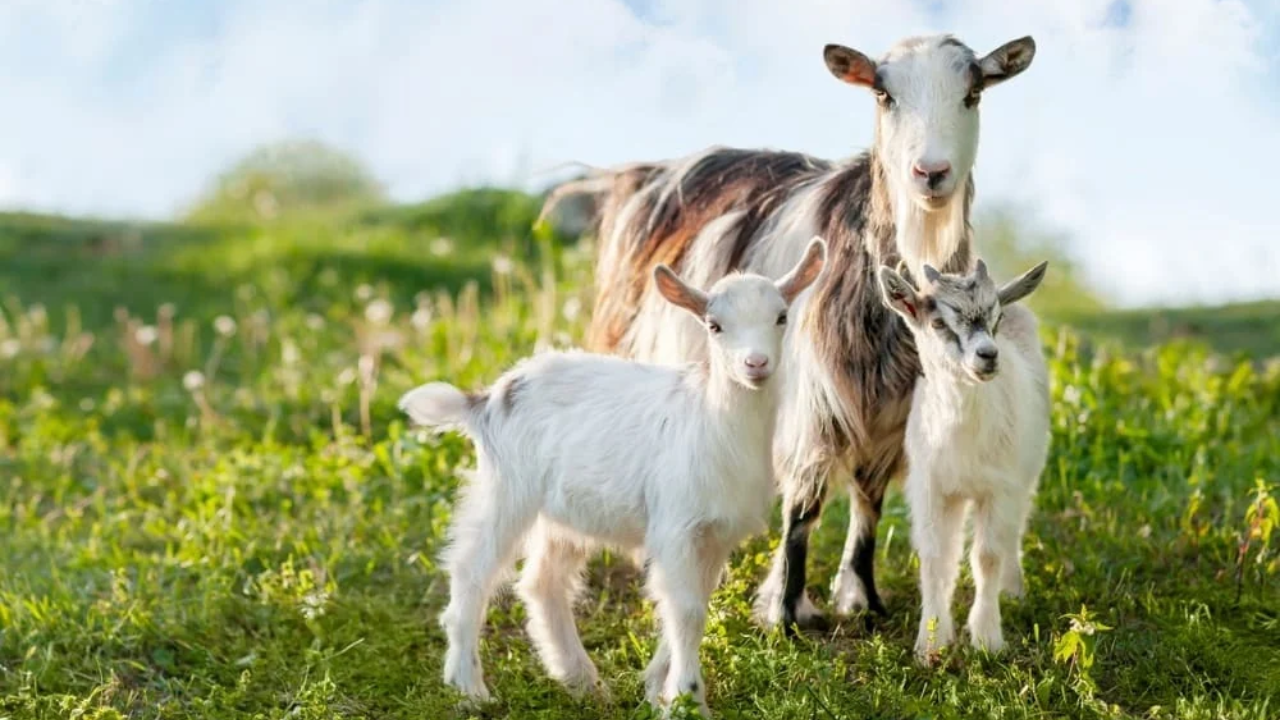
Animal rescue stories remind us that compassion, responsibility, and proper care can make a meaningful difference in the lives of vulnerable animals. Three baby goats became the center of a rescue story that highlights the importance of animal welfare, livestock health, and responsible farm management.
Young goats, especially those separated from their mothers or exposed to unsafe conditions, require immediate attention, proper nutrition, and a safe environment. Their survival depends on several important factors, including adequate feeding, protection from extreme weather, regular health monitoring, and access to professional veterinary services.
This story also brings attention to the broader importance of livestock care, animal protection, and the role of farmers, veterinarians, and animal rescue organizations in protecting farm animals.
The Importance of Saving Vulnerable Farm Animals
Baby goats, commonly known as kids, are particularly vulnerable during the early stages of life. Their bodies are still developing, and they depend heavily on proper nutrition, warmth, and protection.
When young animals are separated from their mothers, neglected, or found in unsafe surroundings, their health can deteriorate quickly. Responsible animal rescue efforts can help provide the care they need to recover and develop.
Animal welfare is not only about protecting pets. It also includes farm animals, livestock, wildlife, and other creatures that depend on human care.
The rescue of three baby goats highlights the importance of:
- Responsible livestock management
- Proper animal nutrition
- Veterinary health services
- Safe farm environments
- Animal welfare education
- Emergency animal care
- Preventive healthcare for livestock
These practices are essential for maintaining healthy animals and supporting sustainable agricultural operations.
Why Baby Goats Need Specialized Care
Newborn goats require specific care during their early days and weeks. Their nutritional requirements, body temperature regulation, and immune systems make them more vulnerable to health problems than adult animals.
Proper Nutrition for Young Goats
Nutrition is one of the most important aspects of livestock health. Young goats need appropriate milk feeding to support growth, development, and immune function.
Depending on their age and condition, baby goats may require their mother’s milk or an appropriate milk-replacement formula under the guidance of an experienced caregiver or veterinarian.
Poor feeding practices can lead to nutritional deficiencies, dehydration, digestive problems, and developmental issues.
Professional livestock nutrition services can help farmers understand the nutritional requirements of different animals and develop suitable feeding plans.
Maintaining Body Temperature
Young goats can struggle to maintain their body temperature, especially in cold, wet, or windy environments.
A clean, dry, and sheltered area is important for protecting vulnerable animals from environmental stress. Proper farm housing and livestock shelter management can reduce the risk of illness and improve animal comfort.
Monitoring Animal Health
Regular monitoring helps identify signs of illness or distress early. Changes in feeding behavior, activity levels, breathing, or general condition may indicate that an animal requires medical attention.
Veterinary professionals can assess the condition of young goats and recommend suitable treatment, health monitoring, and preventive care.
The Role of Veterinary Services in Animal Rescue
Veterinary services play a critical role in animal rescue and rehabilitation. When vulnerable animals are rescued, professional evaluation can help determine their nutritional needs, overall health, and potential medical concerns.
Veterinary care may include:
- General health examinations
- Nutritional assessment
- Preventive healthcare
- Parasite management
- Vaccination guidance
- Medical treatment when required
- Growth and development monitoring
Veterinary professionals are trained to identify health conditions that may not be immediately visible to inexperienced caregivers.
Early veterinary intervention can improve animal welfare and help prevent minor health concerns from becoming more serious problems.
Animal Welfare and Responsible Livestock Management
Animal welfare is an important part of responsible livestock management. Farmers and animal caregivers have a responsibility to provide animals with appropriate food, water, shelter, healthcare, and protection from unnecessary suffering.
Modern livestock management focuses on improving animal health while maintaining efficient and sustainable agricultural practices.
Farm Animal Housing
Proper animal housing provides protection from harsh weather, predators, and unsafe environmental conditions.
Well-maintained livestock facilities should provide:
- Adequate space
- Clean bedding
- Proper ventilation
- Protection from rain and extreme temperatures
- Safe flooring
- Access to clean water
- Regular sanitation
Good farm management practices can help reduce stress, improve animal comfort, and support healthier livestock.
Hygiene and Sanitation
Farm hygiene is essential for preventing the spread of infectious diseases. Clean feeding areas, properly maintained water containers, and regular cleaning of animal housing can reduce health risks.
Sanitation practices are particularly important when caring for young animals because they may be more vulnerable to environmental pathogens.
Livestock owners should follow appropriate cleaning procedures and seek professional advice when managing animal health concerns.
Livestock Nutrition and Animal Feed Management
Proper livestock nutrition supports healthy growth, reproductive performance, and long-term animal health.
The nutritional requirements of goats vary according to their age, weight, activity level, health status, and reproductive condition.
Young goats require a carefully managed diet that supports their development. As they grow, their nutritional needs change, and their feeding program should be adjusted accordingly.
Understanding Animal Feed
Livestock feed may include different types of nutritional sources, such as:
- Milk or appropriate milk-replacement products for young animals
- Quality forage
- Hay
- Fresh vegetation where suitable
- Balanced feed formulated for livestock
- Mineral and nutritional supplements when recommended
A balanced livestock nutrition program can help support healthy growth and reduce the risk of nutritional deficiencies.
Farmers should consult qualified livestock nutritionists or veterinary professionals before making significant changes to an animal’s diet.
Animal Rescue and Rehabilitation
Animal rescue involves more than moving an animal away from danger. Successful rehabilitation requires ongoing care, observation, and a suitable recovery environment.
The rehabilitation process may involve several stages.
Initial Assessment
The first step is assessing the animal’s condition, environment, and immediate needs. Qualified professionals can help determine whether the animal requires urgent medical care.
Safe Recovery Environment
Rescued animals need a secure, clean, and comfortable environment where they can rest and recover.
Reducing unnecessary stress is an important part of animal rehabilitation. Proper shelter, adequate space, and careful handling can contribute to better welfare outcomes.
Continued Health Monitoring
Recovery does not always happen immediately. Animals may require continued monitoring to ensure they are eating properly, maintaining appropriate body condition, and showing signs of normal development.
Long-Term Care
Long-term animal care requires consistent attention to nutrition, housing, sanitation, and veterinary health.
Responsible animal caregivers should understand that rescue is a commitment that continues beyond the initial intervention.
The Financial Importance of Livestock Health
Livestock health is also connected to agricultural economics and farm financial management.
Healthy animals generally require fewer emergency interventions and can contribute to more stable farm operations. Preventive healthcare, appropriate nutrition, and good management practices can help farmers reduce avoidable expenses.
Livestock owners may need to budget for:
- Veterinary consultations
- Animal health treatments
- Feed and nutritional supplies
- Farm equipment
- Livestock housing
- Sanitation products
- Transportation
- Animal insurance where available
Planning for these expenses can help farmers maintain responsible animal care practices while managing their agricultural business costs.
Veterinary Expenses and Preventive Healthcare
Preventive healthcare is an important part of livestock management. Regular veterinary consultations can help identify potential problems and support appropriate healthcare planning.
Although veterinary expenses vary depending on location, animal condition, and treatment requirements, early assessment may help farmers make informed decisions about animal health.
Livestock healthcare planning can be especially important for farms that maintain multiple animals or operate commercial agricultural businesses.
Livestock Insurance and Agricultural Risk Management
Agricultural operations may face several risks, including animal illness, unexpected veterinary expenses, environmental challenges, and financial losses.
Depending on the country, livestock insurance products may offer coverage for certain eligible risks involving farm animals.
Farmers interested in livestock insurance should carefully review policy terms, exclusions, eligibility requirements, and coverage limits before making a decision.
Agricultural insurance can be one component of broader farm risk management, alongside:
- Preventive veterinary care
- Farm safety procedures
- Livestock health monitoring
- Emergency planning
- Proper animal housing
- Financial budgeting
- Biosecurity practices
The availability and cost of livestock insurance depend on local providers, regulations, and the type of agricultural operation.
Animal Welfare Organizations and Community Support
Animal rescue organizations often depend on community support, volunteers, donations, and professional partnerships to provide assistance to vulnerable animals.
Local communities can support animal welfare initiatives in several ways.
Responsible Donations
Donations can help animal welfare organizations cover expenses related to veterinary care, animal food, transportation, and shelter maintenance.
Before donating, individuals should research organizations and understand how contributions are used.
Volunteer Support
Volunteers may assist with animal care, cleaning, transportation, administrative tasks, or educational programs, depending on an organization’s needs.
Animal Welfare Education
Education can help people understand responsible animal ownership, livestock management, and the importance of seeking professional veterinary care.
Promoting awareness of animal welfare can encourage safer environments for animals and improve community understanding of responsible agricultural practices.
Sustainable Agriculture and Animal Protection
Animal welfare is closely connected to sustainable agriculture. Healthy livestock, responsible feeding practices, efficient resource management, and proper farm facilities can contribute to more sustainable farming operations.
Sustainable livestock management may involve:
- Efficient water management
- Responsible animal feeding
- Improved farm sanitation
- Proper waste management
- Animal health monitoring
- Environmentally responsible farming practices
- Appropriate livestock housing
Farmers who prioritize animal health and responsible management can contribute to better agricultural outcomes while supporting animal welfare.
Lessons from Saving Three Baby Goats
The rescue of three baby goats serves as a reminder that vulnerable animals require attention, compassion, and responsible care.
Their story highlights several important lessons:
Compassion matters: Helping vulnerable animals can make a meaningful difference in their lives.
Professional care is important: Veterinary services can provide the expertise needed to evaluate animal health and recommend appropriate treatment.
Nutrition supports development: Proper feeding is essential for healthy growth and long-term wellbeing.
Safe environments protect animals: Suitable shelter, hygiene, and farm management can reduce preventable risks.
Rescue requires commitment: Animals need ongoing care after they are rescued.
These principles apply not only to goats but also to other livestock and animals that depend on human protection.
Conclusion
Saving three baby goats highlights the importance of animal welfare, livestock health, veterinary services, and responsible farm management.
Young animals require proper nutrition, safe shelter, health monitoring, and professional care when necessary. Animal rescue efforts can provide vulnerable animals with an opportunity to recover and develop in a healthier environment.
Whether through responsible livestock management, supporting animal welfare organizations, improving farm hygiene, or promoting preventive veterinary healthcare, individuals and communities can contribute to better outcomes for animals.
The story is a reminder that protecting animals is an important responsibility that benefits animal wellbeing, agricultural sustainability, and the communities that care for them.
Frequently Asked Questions
Why do baby goats need special care?
Baby goats require appropriate nutrition, warmth, protection, and health monitoring because their bodies are still developing and they are more vulnerable to environmental and health-related challenges.
What do rescued baby goats need?
Rescued baby goats may require a safe environment, appropriate feeding, clean water, suitable shelter, health monitoring, and professional veterinary assessment.
Why is veterinary care important for livestock?
Veterinary care helps assess animal health, identify potential problems, provide appropriate treatment, and support preventive healthcare practices.
What is livestock management?
Livestock management involves caring for farm animals through appropriate nutrition, housing, hygiene, health monitoring, breeding practices, and responsible farm operations.
How can people support animal welfare?
People can support animal welfare by providing responsible care for animals, supporting reputable rescue organizations, promoting education, and seeking professional assistance when animals require medical attention.
What is livestock insurance?
Livestock insurance is a type of agricultural insurance that may provide financial protection against certain covered risks involving farm animals, depending on the policy and local availability.